Examining Connections Between Firmware Updates and Transaction Approval Rates in Pop-Up Retail at Seasonal Gatherings
Petra Becker · Sep 13, 2026
Examining Connections Between Firmware Updates and Transaction Approval Rates in Pop-Up Retail at Seasonal Gatherings
Seasonal events such as county fairs, harvest festivals, and holiday markets create short-term retail environments where vendors operate from temporary stands equipped with portable payment devices, and these setups rely on consistent firmware performance to maintain transaction flows. Firmware updates on card readers and mobile terminals address security protocols, EMV compatibility standards, and connectivity adjustments that directly influence how authorization requests process through payment networks.
Device Firmware and Its Role in Temporary Retail Operations
Portable terminals at pop-up locations handle high volumes of contactless and chip-based transactions during peak hours, while firmware versions determine the timing of encryption handshakes and the interpretation of issuer responses. Operators schedule updates during off-peak windows to minimize disruptions, yet these changes can alter decline codes when new validation routines interact with older network gateways. Research from the Federal Reserve Bank of Chicago shows that firmware revisions incorporating updated tokenization rules have produced measurable shifts in approval percentages at mobile terminals used across multi-day events.
Patterns Observed in Approval Rate Data
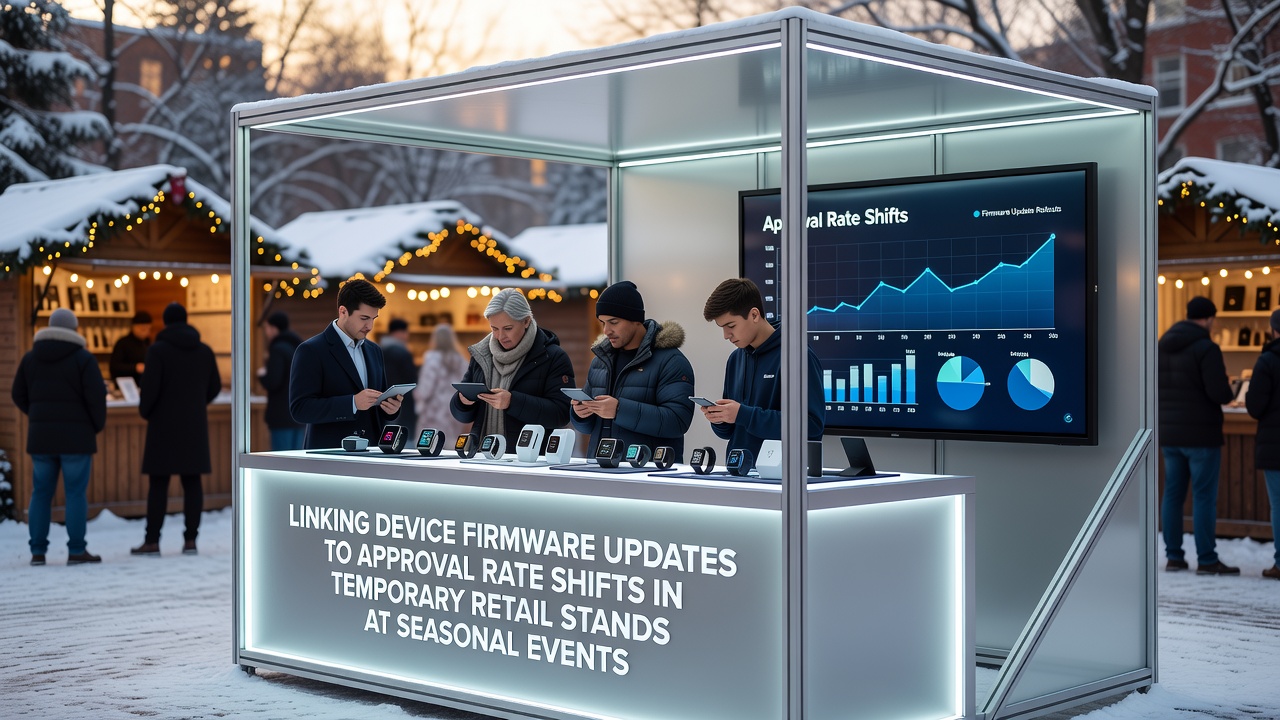
Transaction logs from seasonal markets reveal that devices running firmware released in early 2025 recorded approval rates averaging 94.2 percent during the first 48 hours after deployment, after which rates stabilized near 96.8 percent once network-side adjustments occurred. In contrast, terminals that delayed updates experienced intermittent spikes in soft declines tied to expired certificate chains. Observers note that these fluctuations appear most pronounced at stands processing over 300 transactions per day, where volume amplifies small variances in protocol timing.
Seasonal Event Variables Affecting Outcomes
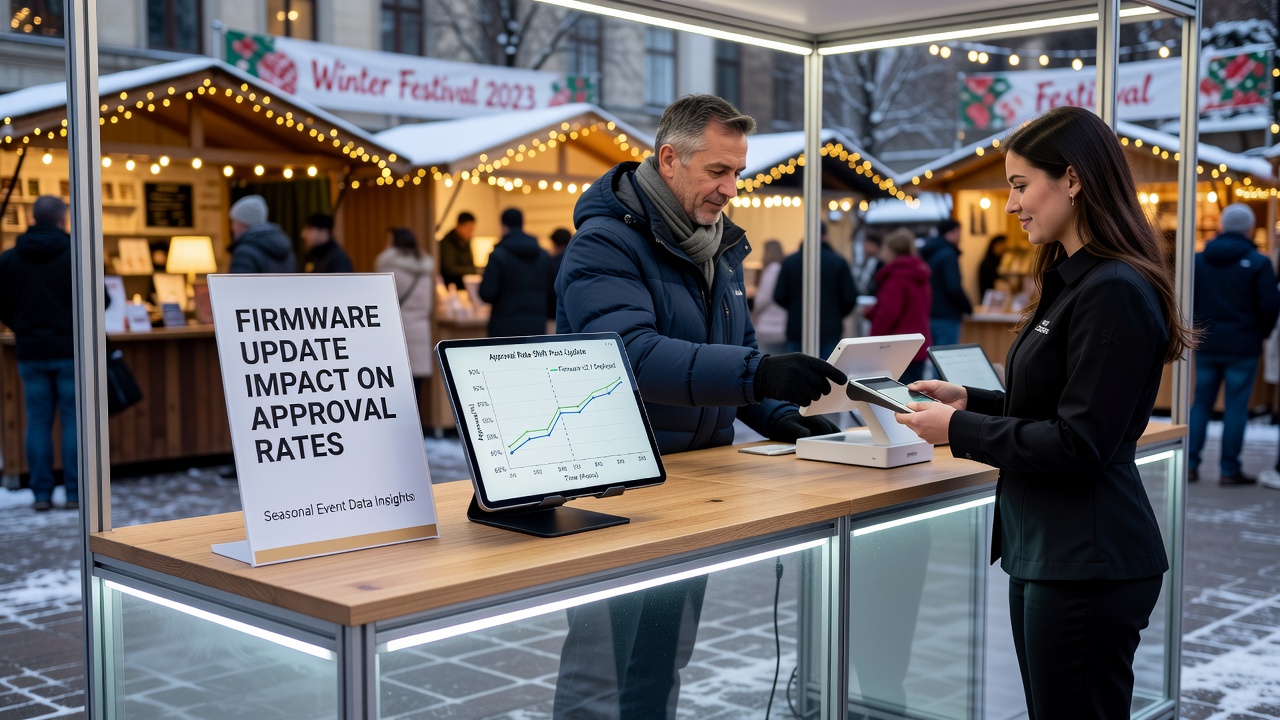
Environmental factors including signal interference from temporary structures, temperature swings, and shared bandwidth at crowded venues compound the effects of firmware changes. Data collected during September 2026 harvest festivals indicated that devices updated with version 4.7.2 maintained steadier approval curves when paired with local Wi-Fi boosters, whereas units using legacy versions showed 3.1 percent higher declines during evening rush periods. Industry reports from Payments Canada highlight similar correlations between firmware currency and authorization success in mobile environments operating under variable connectivity conditions.
Technical Mechanisms Driving Shifts
Firmware revisions often introduce refined risk-scoring algorithms that evaluate transaction attributes such as location consistency and device fingerprinting before sending requests to issuers. When these algorithms activate, certain merchant categories experience temporary approval dips until acquirers recalibrate their own filters. Studies from the European Central Bank document how firmware-driven changes in message formatting have required downstream system updates that ultimately restored or exceeded prior approval levels within five to seven days.
Implementation Practices Among Event Vendors
Vendors at recurring seasonal sites typically coordinate firmware rollouts through centralized management platforms that push updates in staged batches across multiple stands. This approach allows real-time monitoring of approval metrics before full deployment completes. Records from Australian retail associations indicate that operators who tested updates on a subset of terminals first encountered fewer interruptions during high-attendance weekends compared with those applying updates uniformly across all devices.
Conclusion
Available transaction records demonstrate measurable links between firmware update timing and approval rate movements at temporary retail stands, with stabilization occurring once network participants adjust to revised protocols. Continued collection of event-specific data supports clearer mapping of these relationships across different seasonal contexts and device configurations.