How Weather Patterns Influence Authorization Rates for Coastal Pop-Up Vendors Handling Seasonal Inventory Swaps
Logan Frank · Nov 8, 2026
How Weather Patterns Influence Authorization Rates for Coastal Pop-Up Vendors Handling Seasonal Inventory Swaps
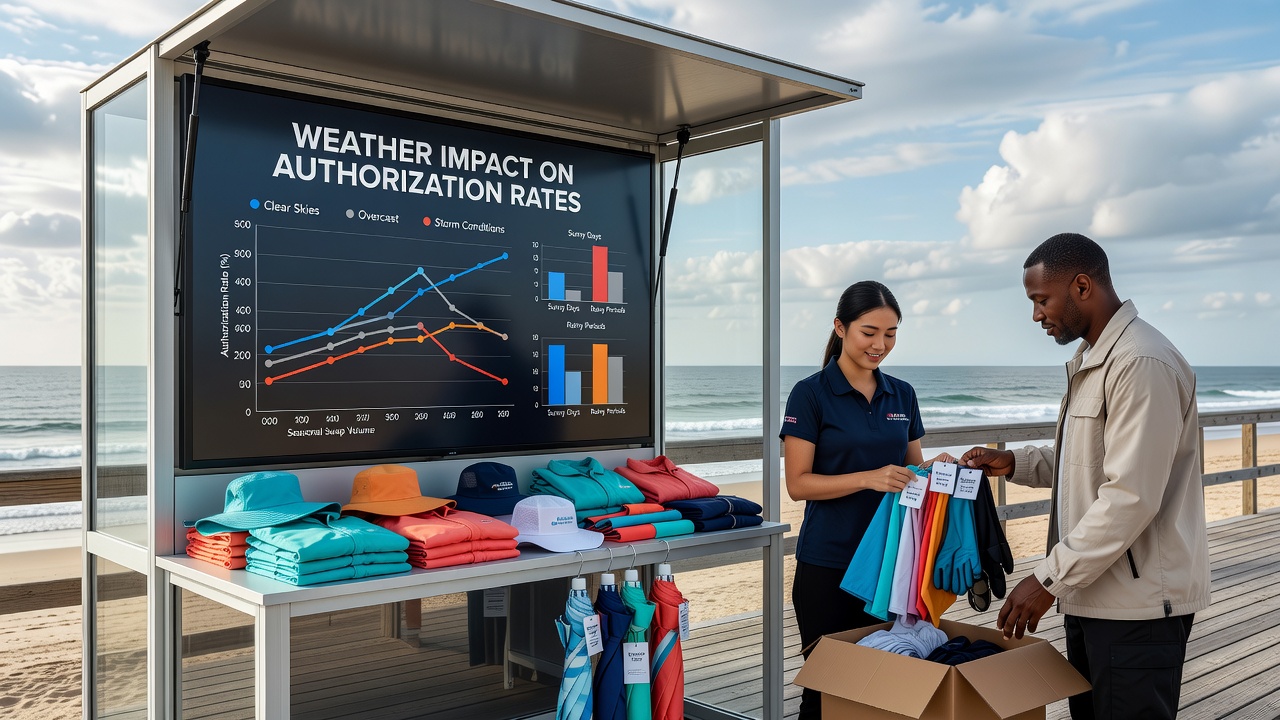
Coastal pop-up vendors who rotate seasonal inventory often see authorization rates shift in tandem with weather systems that sweep across shorelines and alter customer volumes throughout the day. Researchers tracking payment flows note that clear skies draw larger crowds to beachfront stalls and food trucks, which in turn generates transaction spikes that processors evaluate against established velocity thresholds. When sudden storms roll in, those same vendors experience abrupt drops in sales volume, yet the remaining attempts sometimes face higher decline rates because connectivity interruptions coincide with fraud scoring adjustments triggered by incomplete data packets.
Weather-Driven Shifts in Transaction Volume and Risk Scoring
Payment networks rely on real-time signals that include location data, purchase frequency, and device stability, so a sudden weather change can push authorization engines to reassess patterns they previously deemed normal. Observers at several coastal markets report that vendors swapping from winter apparel to summer gear ahead of forecast temperature rises encounter brief windows where card-present volumes climb rapidly, prompting issuers to apply extra verification layers that slow approvals. Data collected across multiple hurricane seasons shows these adjustments occur most often when daily transaction counts exceed seasonal baselines by more than thirty percent within a four-hour window.
Yet the reverse pattern appears when prolonged rain keeps visitors away, leaving vendors with sparse activity that still triggers occasional soft declines because low-volume periods can flag dormant accounts during routine monitoring cycles. In November 2026, after an unusually active Atlantic storm period, several operators along the southeastern United States coastline documented authorization success rates that dipped an average of eight points below the prior month despite stable inventory levels, according to figures released by the National Oceanic and Atmospheric Administration.
Connectivity Interruptions and Their Direct Effect on Approval Outcomes
Cellular and satellite links that pop-up locations depend upon frequently degrade during high winds or heavy precipitation, causing partial authorization requests that processors treat as potential tampering attempts. Vendors handling quick inventory swaps between morning and afternoon shifts must contend with these outages while also managing card readers that lose power or drop sessions mid-transaction. Studies compiled by the Australian Bureau of Meteorology and cross-referenced with regional payment processors indicate that authorization retry success improves when vendors maintain backup terminals with separate network paths, reducing the number of hard declines that occur during brief weather events.
Inventory Rotation Patterns Tied to Forecast Accuracy
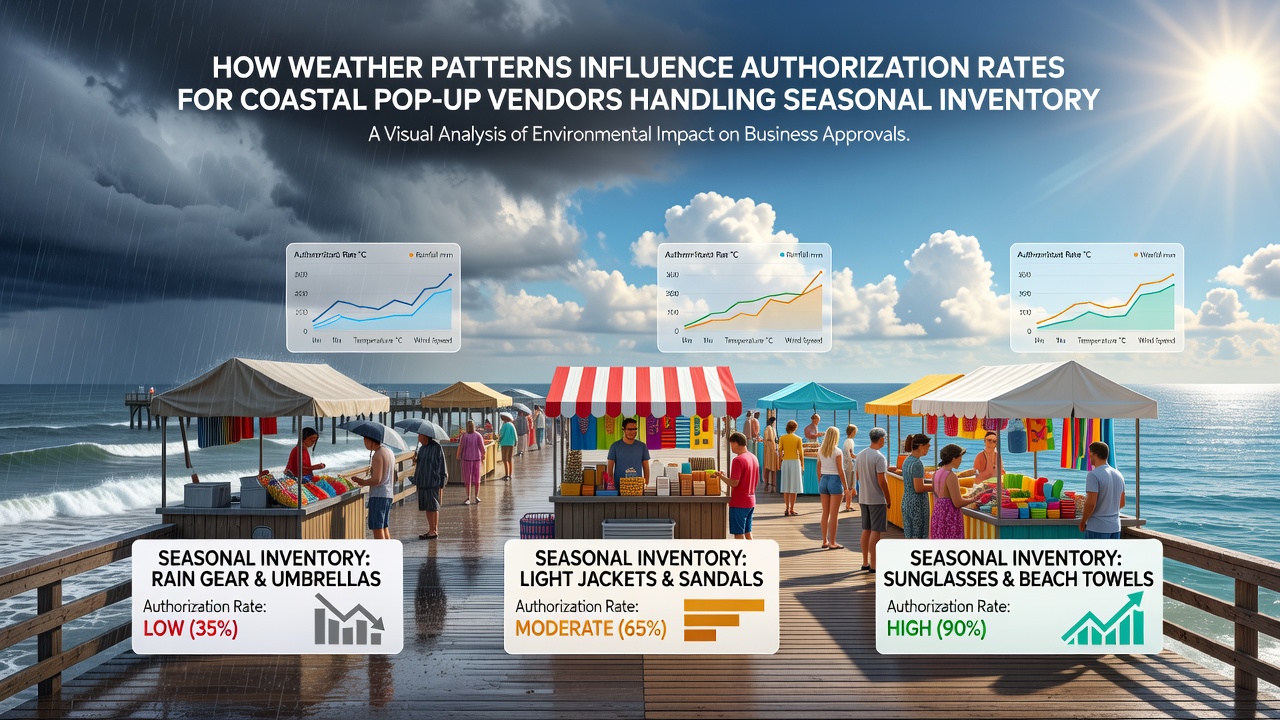
Merchants who adjust stock based on short-term weather predictions often alter the mix of high-value versus low-value items they offer, which changes the average ticket size that risk models monitor. A vendor who replaces lightweight accessories with heavier equipment ahead of cooler forecasts may trigger different fraud rules because the new items carry price points that deviate from historical norms at that specific location. Research compiled by the University of Miami Rosenstiel School of Marine, Atmospheric, and Earth Science demonstrates that vendors who pre-stage alternate inventory using seven-day forecasts experience fewer unexpected authorization holds than those who react only after weather arrives.
Seasonal swaps also coincide with tourism cycles that weather can accelerate or delay, so the same set of SKUs might generate clustered purchases on one day and scattered individual sales on another. Processors apply machine learning models that compare current activity against both weather-adjusted baselines and unadjusted historical averages, which creates situations where an authorization passes on a sunny Tuesday but fails on a rainy Thursday even though the cardholder and amount remain identical.
Regional Data Patterns and Processor Adjustments
Coastal zones in different hemispheres display distinct correlations between atmospheric pressure changes and payment success metrics. European processors serving Mediterranean beach vendors have recorded authorization improvements when vendors integrate local meteorological alerts into their point-of-sale systems, allowing them to pause high-risk transactions during forecast wind events. Similar patterns appear in Canadian Atlantic provinces, where winter storm tracking helps operators pre-authorize certain card types before adverse conditions reduce network reliability.
Those who study these interactions emphasize that authorization engines do not directly read weather data, yet the secondary effects of customer behavior and terminal performance feed into the same scoring variables that determine approval or decline. Vendors who maintain detailed logs of both weather conditions and transaction outcomes can identify recurring windows where rates stabilize, enabling them to time inventory rotations more effectively around predicted atmospheric shifts.
Conclusion
Weather patterns shape authorization rates for coastal pop-up vendors through indirect pathways that include volume fluctuations, connectivity stability, and shifts in average transaction profiles during seasonal inventory changes. Data from multiple coastal regions illustrates how forecast accuracy influences the timing of stock rotations and how those rotations interact with risk models used by card networks. Operators who align operational adjustments with meteorological information tend to encounter more consistent processing outcomes across varying conditions throughout the year.