Ledger Alignment Methods Across Mobile Sales Setups and Their Role in Stabilizing Automated Invoicing Accuracy for Niche Retail Operators
Felix Schmid · Oct 25, 2026
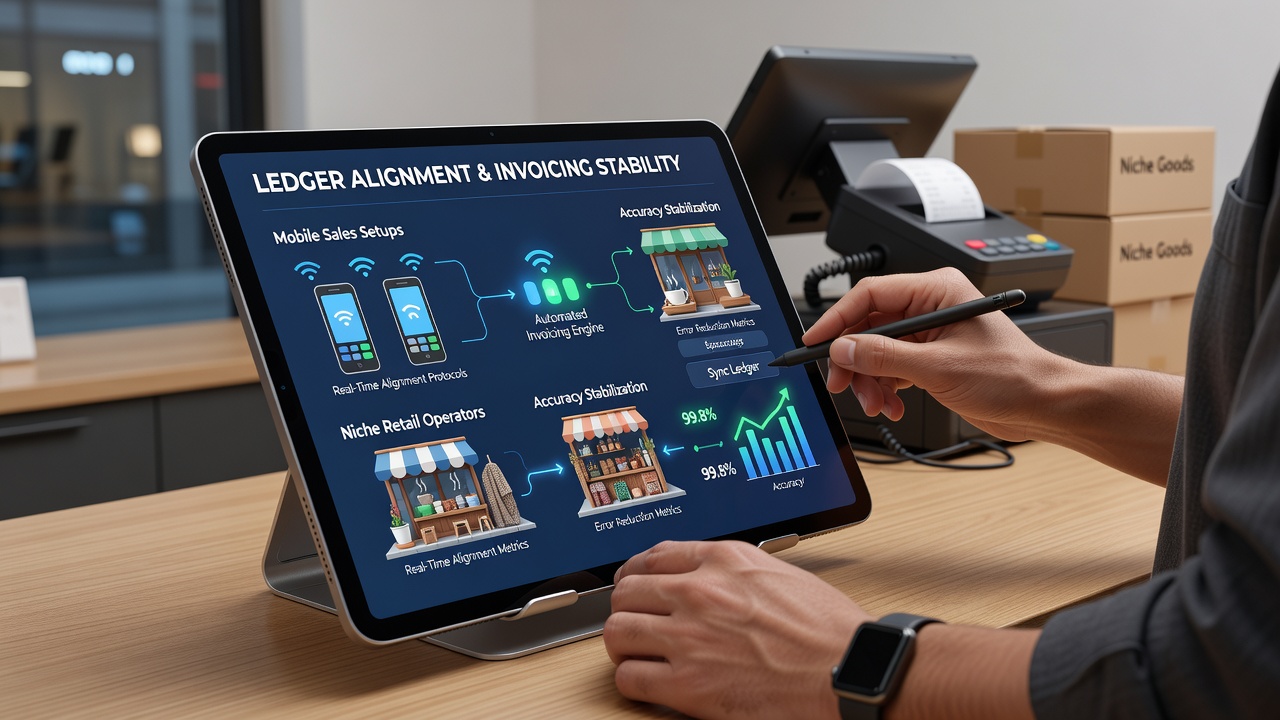
Ledger Alignment Methods Across Mobile Sales Setups and Their Role in Stabilizing Automated Invoicing Accuracy for Niche Retail Operators
Operators in niche retail sectors rely on mobile sales setups that range from pop-up stalls at artisan markets to seasonal vendor carts in temporary locations, and these configurations demand precise ledger alignment to keep automated invoicing systems functioning without discrepancies. Research indicates that synchronization between point-of-sale devices and backend accounting records occurs through several established methods that address latency, data fragmentation, and verification gaps in real time.
Core Alignment Techniques Used in Mobile Environments
Real-time API polling forms one primary approach where mobile terminals push transaction data to central ledgers at fixed intervals while receiving confirmation signals that flag mismatches immediately. Batch reconciliation serves as another method in which daily transaction logs undergo comparison against bank deposits and inventory adjustments after close of business, allowing operators to correct entries before invoicing cycles complete. Hybrid models combine both techniques, and data shows this combination reduces error rates in high-volume temporary retail networks according to patterns observed across multiple specialized operators.
Observers note that niche retailers handling handmade goods or limited-run products often encounter unique challenges because item variations require custom fields that standard mobile apps do not always capture uniformly. Alignment protocols address these issues by mapping custom attributes to standardized ledger codes during upload, which prevents automated invoicing engines from generating duplicate or incomplete records. In October 2026 figures released by payment system analysts revealed that operators adopting structured mapping saw invoice accuracy improve by measurable margins compared with those using unadjusted flows.
Verification Layers That Support Accuracy
Multi-step verification integrates checksum validation with timestamp matching so that each mobile transaction carries identifiers linking it to the exact ledger entry it updates. When discrepancies surface, automated alerts trigger manual review queues that prioritize high-value items common in niche categories such as specialty foods or custom apparel. Those who've studied synchronization logs in temporary setups report that timestamp drift accounts for a significant portion of initial mismatches, yet corrective scripts restore alignment within minutes rather than hours.
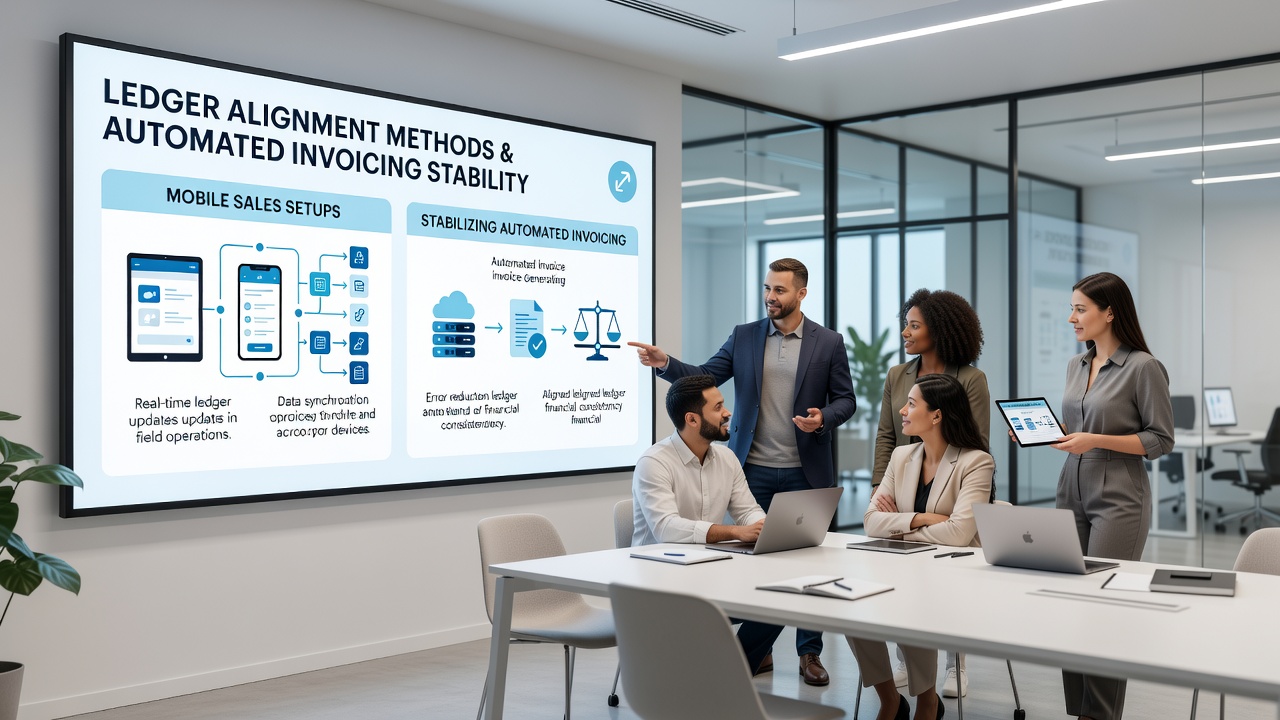
Take one seasonal retailer operating at weekend craft fairs who implemented automated checksum routines and subsequently reduced invoice revisions from weekly occurrences to near zero over several months. Researchers discovered similar outcomes in comparable operations where mobile devices connected through secure gateways that enforced field-level validation before data reached the central system. These steps stabilize cash flow projections because accurate invoices support reliable accounts receivable tracking without repeated corrections.
Data Integration Patterns Across Platforms
Integration relies on standardized file formats that mobile applications export in compatible structures for ledger software, and industry reports highlight the value of XML or JSON schemas tailored to retail categories. When operators introduce new product lines mid-season, alignment routines automatically update mapping tables so that invoicing engines recognize fresh entries without manual intervention. According to a study published by the Reserve Bank of Australia, consistent schema adoption across mobile setups correlates with fewer reconciliation delays in fragmented retail networks.
Canadian researchers at the University of Toronto examined synchronization logs from specialized vendors and found that operators who scheduled alignment checks at multiple points throughout the day maintained tighter control over automated outputs than those relying solely on end-of-day processes. The same analysis noted that temporary retail environments benefit from cloud-based ledgers that permit simultaneous access from multiple devices, reducing the risk of version conflicts during peak sales periods.
Conclusion
Ledger alignment methods continue to evolve as mobile technology integrates more deeply with automated invoicing platforms used by niche retail operators. Data from regulatory bodies and academic sources demonstrates that structured synchronization, verification protocols, and adaptive mapping collectively contribute to measurable improvements in accuracy across varied sales environments. Operators who apply these techniques maintain stable financial records even when operating in temporary or distributed setups, supporting consistent business operations throughout seasonal cycles.