Seasonal Retailers Uncover Hidden Authorization Patterns When Aligning Token Vaults with Recurring Charge Verifications in Niche Marketplaces
Felix Schmid · Sep 27, 2026
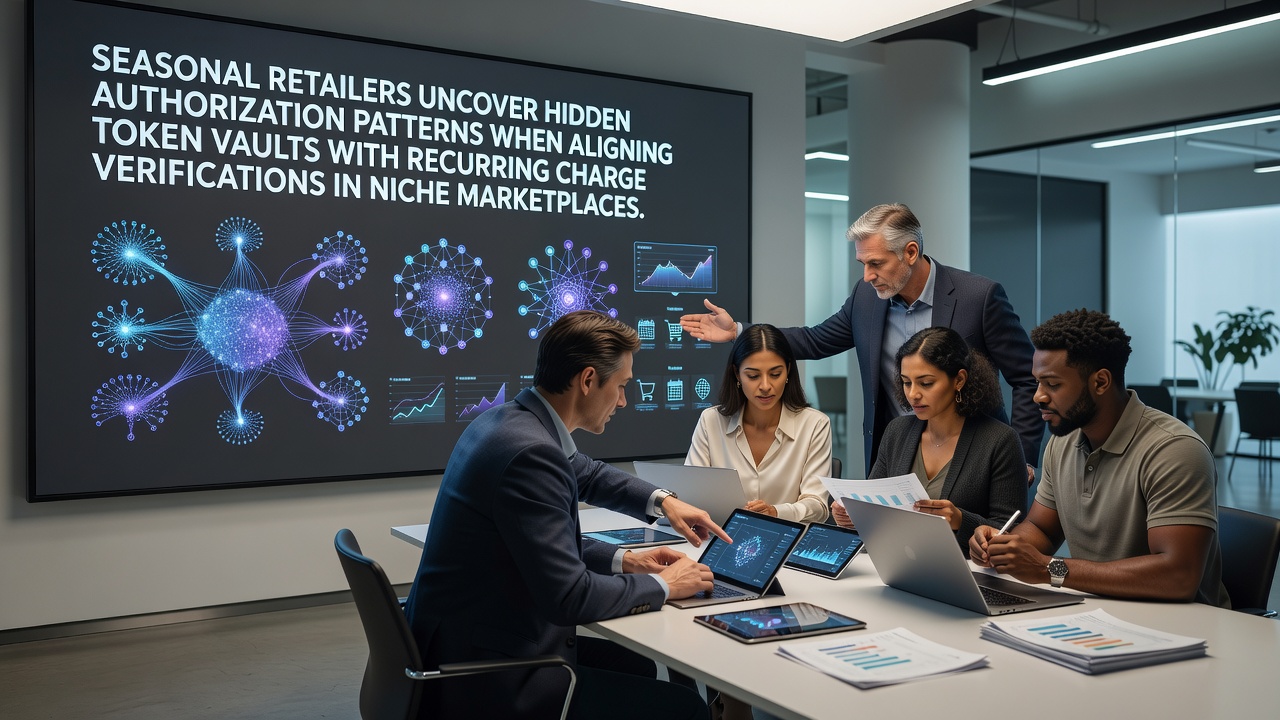
Seasonal Retailers Uncover Hidden Authorization Patterns When Aligning Token Vaults with Recurring Charge Verifications in Niche Marketplaces
Seasonal retailers operating in niche marketplaces have started to map authorization patterns by synchronizing token vault systems with recurring charge verification protocols, and this alignment reveals approval trends that standard transaction logs often leave hidden. Observers note that businesses handling holiday decor, limited-edition apparel, or seasonal subscription boxes store tokenized card data in secure vaults, then cross-reference those tokens against verification steps required for repeat billing cycles. Research indicates these comparisons surface timing anomalies, decline clusters tied to specific card issuers, and success rates that shift with inventory release dates.
Data from payment networks shows seasonal peaks amplify these patterns because customer bases expand rapidly during short windows, such as back-to-school periods or end-of-year promotions. Retailers in September 2026 prepare token mappings ahead of the fourth-quarter rush, allowing them to test recurring verification sequences on pre-season orders before full volume hits. Figures reveal that merchants who perform this alignment early reduce mid-cycle authorization failures by adjusting token refresh schedules to match issuer update cadences.
Token Vault Structures in Seasonal Operations
Token vaults replace primary account numbers with unique identifiers that merchants reference for future charges without retaining sensitive card details. In niche seasonal settings, these vaults integrate with billing engines that trigger recurring verifications at fixed intervals, such as monthly subscription renewals for limited-run products. Experts have observed that when retailers align vault entries with verification responses, they detect patterns where certain tokenized credentials succeed on initial setup but fail on subsequent charges if the underlying card has been reissued or flagged for inactivity.
Studies from the PCI Security Standards Council outline how tokenization protocols maintain consistent security levels across high-volume periods, yet seasonal retailers add an extra layer by logging verification outcomes against vault metadata. This practice uncovers correlations between authorization success and factors like billing descriptor length or the presence of address verification service matches.
Recurring Charge Verification Mechanics
Recurring charge verifications involve issuer-side checks that confirm account status before processing repeat payments. Seasonal retailers align these checks with token vault records to trace hidden patterns, including clusters of soft declines that precede hard failures during peak restocking cycles. Those who have studied these systems note that verification logs often contain status codes indicating temporary holds or velocity limits, and cross-referencing them with vault timestamps highlights windows where authorizations dip before rebounding.
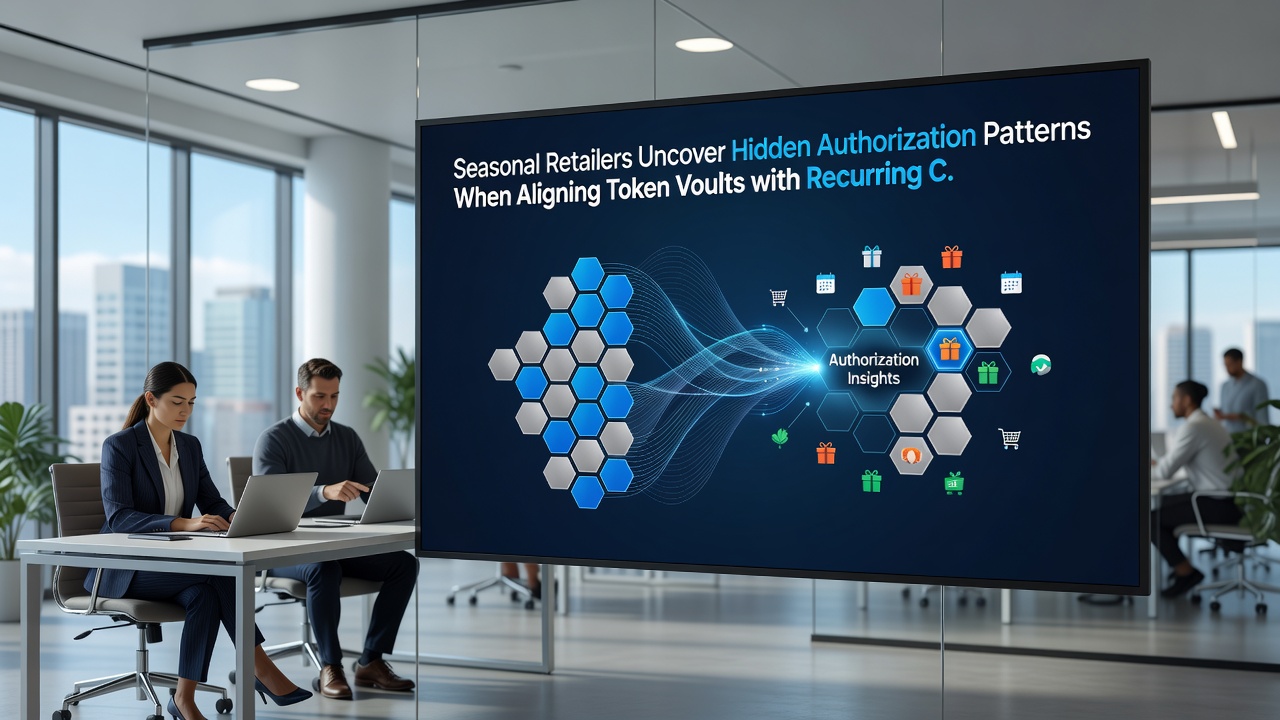
Payment processors report that niche marketplaces serving craft goods or outdoor gear experience distinct verification behaviors when customer cohorts include one-time buyers converted to subscribers. Alignment of vault data with verification sequences allows retailers to isolate which tokens require re-provisioning after seasonal address changes or card expirations that coincide with billing dates.
Pattern Detection Across Niche Marketplaces
Marketplace operators facilitate these alignments by providing API endpoints that export token metadata alongside recurring verification results. Retailers analyze the combined datasets to identify authorization pathways that perform reliably during short selling seasons, such as those tied to harvest festivals or winter sports launches. Research from the Bank for International Settlements indicates that coordinated token and verification tracking improves predictability in authorization flows for merchants whose revenue concentrates in three-to-four-month windows.
One study revealed that seasonal sellers who implement this alignment detect issuer-specific patterns earlier than those relying on aggregate reporting alone. For instance, certain regional banks show elevated verification success when tokens are refreshed within 48 hours of recurring cycle initiation, while others maintain steady rates regardless of refresh timing.
Implementation Steps for Retail Networks
Retail networks begin by exporting current token vault inventories and matching them against historical recurring verification records from the prior season. They then configure automated scripts that flag tokens showing inconsistent verification responses across multiple cycles. This process continues with adjustments to billing schedules that account for detected patterns, such as shifting charge attempts away from known high-decline periods identified through the alignment.
Merchants further refine the approach by incorporating marketplace-specific data fields, including product category tags or customer tenure markers, into the pattern analysis. The resulting maps guide decisions on when to prompt customers for updated payment details before seasonal surges begin.
Conclusion
Seasonal retailers continue to refine authorization pattern detection through systematic alignment of token vaults and recurring charge verifications, and the practice yields measurable improvements in transaction continuity within niche marketplaces. Ongoing data collection from payment networks and standards bodies supports further mapping of these relationships as business volumes fluctuate with seasonal demand.